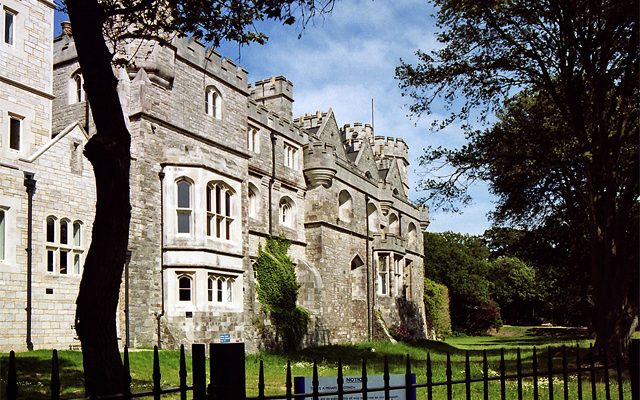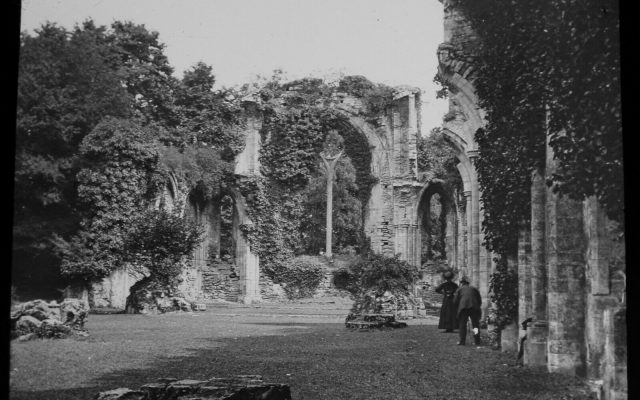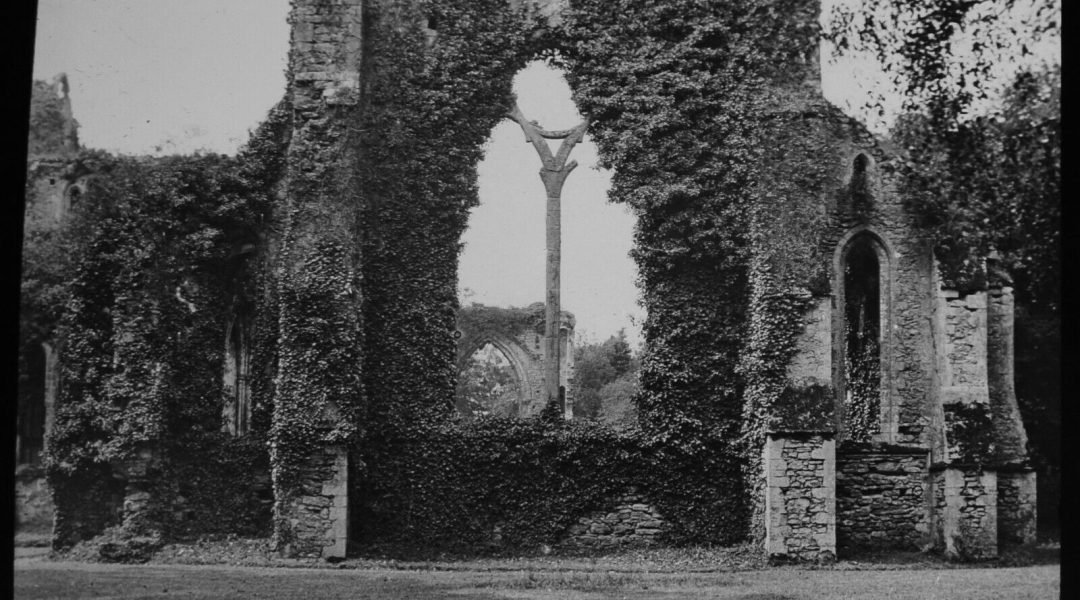
The story of Walter Taylor—the Southampton master builder crushed to death by falling masonry at Netley Abbey in 1704—is Hampshire’s most enduring ghost story.
As we explored in our previous article on the Taylor Family Lineage, the Taylor dynasty survived this tragedy to revolutionise the Royal Navy. But one major question remains about the grandfather who started it all: Why did he ignore the warning?
According to the famous 18th-century accounts, Taylor suffered a terrifying nightmare of a monk warning him not to demolish the abbey. He discussed this dream with his friends, was told to drop the contract, and yet went ahead with the demolition anyway—resulting in his fatal accident.
To understand why Taylor risked his life to tear down a 500-year-old masterpiece, we have to look away from ghost stories and look at the religious landscape of 1704 Southampton.
A Strict Nonconformist
Walter Taylor wasn’t just a builder; he was a strict Nonconformist (often called a “Dissenter”).
In the early 18th century, Dissenters were Protestants who refused to conform to the rules and authority of the established Church of England. Because they refused to conform, they were legally barred from attending universities, holding political office, or serving in the military. Shut out of traditional gentlemanly paths, Dissenters threw their immense energy into commerce, industry, and trade.
This is why the Taylor family were such fiercely successful tradesmen. But their religion also dictated how they viewed the world—and how they viewed architecture.
Why He Didn’t Care About the Abbey
To a modern visitor, the ruins of Netley Abbey are romantic, beautiful, and historically sacred. To a strict Nonconformist in 1704, they were none of those things.
Dissenters favored simple, unadorned worship. They viewed grand medieval architecture, ornate stone arches, stained glass, and statues as Catholic “superstition” and idolatry. They held no reverence for monks or monasteries.
Therefore, when Sir Berkeley Lucy offered Taylor the contract to demolish Netley Abbey, Taylor felt absolutely no religious guilt. He wasn’t desecrating a holy site; he was simply clearing out an outdated monument to “popery.” To a Dissenting master builder, the abbey was just a highly profitable quarry of pre-cut stone waiting to be turned into modern townhouses.
The Isaac Watts Connection
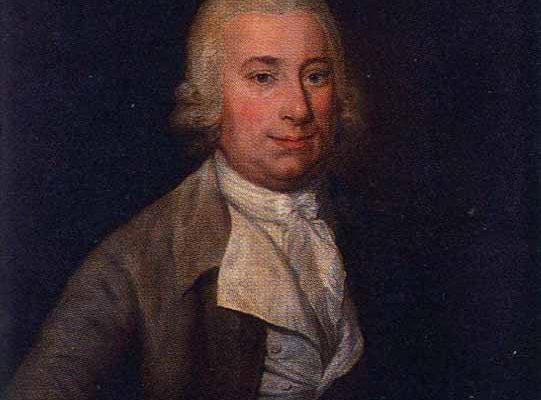
The historical record confirms Taylor’s religion by documenting who he spoke to about his nightmare. The accounts state that Taylor discussed his terrifying dream with the father of Dr. Isaac Watts.
The Watts family were pillars of Southampton’s Nonconformist community. Isaac Watts Sr. was a Dissenting schoolmaster who had actually been imprisoned for his religious beliefs. His son, Dr. Isaac Watts, would go on to become the famous English hymn writer who penned classics like Joy to the World.
When Taylor went to Isaac Watts Sr. to discuss his dream of the warning monk, he was consulting an elder in his own tight-knit religious community.
Watts Sr. wouldn’t have cared about a “Catholic ghost” protecting the abbey. However, Dissenters believed heavily in Divine Providence—the idea that God actively intervened in daily life to send warnings. Watts Sr. interpreted the dream not as a spooky local legend, but as a direct warning from God against greed. He strongly advised Taylor to abandon the demolition contract.
The Fatal Decision
Here is where human psychology collides with religious dogma.
Taylor was caught between his wallet and his faith. As a Nonconformist, his conscious mind told him that fearing a “monk’s curse” was superstitious, Catholic nonsense. He likely rationalized that God wouldn’t protect an idolatrous abbey just to stop a hardworking Protestant from making a living.
He decided the rational, business-minded thing to do was to ignore Watts Sr., ignore the dream, and get to work.
When Taylor arrived at the abbey to begin work, he personally went to pry heavy wooden boards away from the West Window to let light in for his workmen. Distracted, perhaps second-guessing himself, and working on 500-year-old stone, he disturbed the ancient arch.
A massive stone fell, fracturing his skull. He was transported back to Southampton, where a local surgeon’s botched attempt to remove a bone splinter from the wound killed him instantly.
The Perfect Moral Fable
Taylor’s death immediately halted the demolition, saving Netley Abbey forever. But his death also became a famous legend because it provided a perfect moral lesson for every religious group in 18th-century Hampshire:
- To local Catholics: It was proof that God still protected their ancient, sacred ground.
- To Anglicans: It was a satisfying story of a radical Dissenter getting his comeuppance for lacking reverence for church history.
- To his fellow Nonconformists: It was a grim, terrifying lesson about the dangers of capitalist greed and the folly of ignoring the direct warnings of Divine Providence.
Walter Taylor the Dissenter lost his life to the stones of Netley, but in doing so, he cemented his place in Hampshire folklore forever.